Empowering Lives: Navigating Cancer Care Through Community, Nutrition, and Support
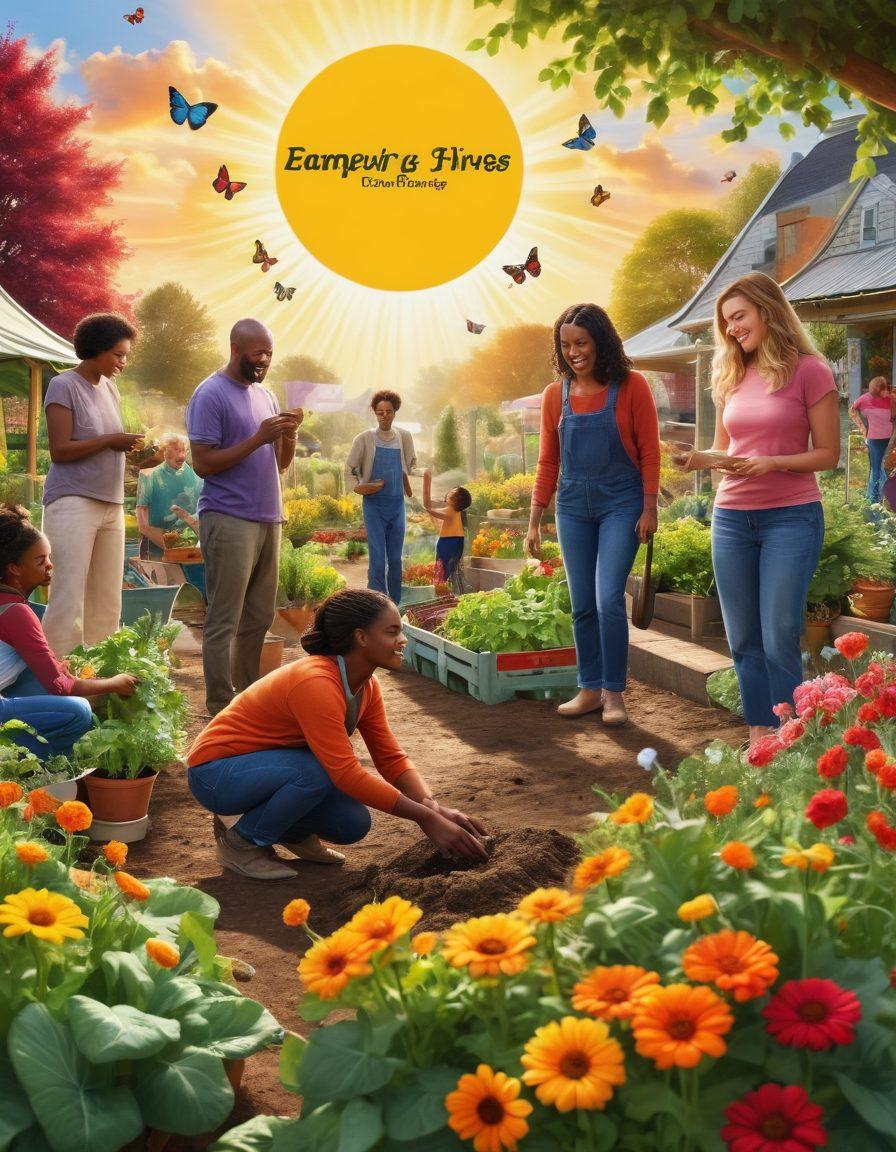
The journey through cancer care can often feel isolating and daunting for many individuals and their families. However, there is a powerful tool available that can make all the difference: community. When individuals come together to support one another, whether through patient advocacy or local support networks, they harness a potent force capable of alleviating the anxieties associated with oncology treatments. By leaning on each other during turbulent times, patients can find a path to comprehensive cancer care, marked not only by medical interventions but also by compassionate sharing of experiences and resources.
Imagine walking into an oncology clinic, feeling overwhelmed by the cancer diagnosis and the impending treatments - chemotherapy, radiation therapy, even immunotherapy. A familiar face from the local support group greets you, reminding you that you are not alone in this fight against carcinoma. Community power for comprehensive cancer care is about creating an environment where individuals can share survivor stories that inspire others, knowing that raising awareness and advocating for better healthcare are collective, ongoing efforts. It turns out that many patients find solace and encouragement in the tales of those who have faced similar battles, helping them discover the tools to navigate their own treatment journey.
What if I told you that community support not only fosters emotional well-being, but can also translate to tangible health improvements? The value of health education provided by community programs helps close the gap in knowledge about early detection and symptom management. For example, group workshops on nutrition and lifestyle changes can empower cancer patients to take charge of their health, learning about remedies that can complement their medical therapies. Holistic health approaches, including stress management and self-care practices, are crucial - creating a supportive environment where patients can share recipes for nourishing foods or meditation techniques, all while forming lasting friendships.
But let’s not forget that advocacy is key. Patients are often the loudest voices in pushing for change in healthcare systems. Engaging in cancer advocacy brings attention to the need for long-term care solutions and comprehensive approaches that resonate with the experiences of many. Every effort spent fighting cancer can lead to evidence-based practices becoming standard in clinical trials and nursing care. What could happen if survivors swap their treatment stories to inform others about the best palliative care options or provide insights into effective symptom management? The ripple effect can be profound.
In conclusion, embracing the community aspect of cancer care paves a way for better quality of life for patients and survivors alike. Those who have navigated this journey remind us that while medical treatments are essential, connection, support, and shared knowledge are equally vital components of health care. So, the next time you find yourself advocating for a friend undergoing this challenging process, remember the fight against cancer is not just a personal one; it is a community-wide endeavor. After all, together, we rise stronger!
Nourishing Hope: The Role of Nutrition in Oncology Support
When a loved one is diagnosed with cancer, a wave of emotions floods over you—fear, uncertainty, and most importantly, a deep desire to help them navigate through this tumultuous journey. Among the many aspects of cancer care, nutrition emerges as a beacon of hope, playing a pivotal role in supporting the patient’s body and spirit throughout their fight against tumors, carcinomas, and the myriad of challenges that come with cancer therapies. Imagine the power of effective oncology support that emphasizes not only medical intervention but also the nourishing properties of food!
Nutrition can often be overlooked in the vast landscape of healthcare, especially when one is grappling with complex treatments like chemotherapy, immunotherapy, and radiation therapy. However, what if I told you that simple lifestyle changes and a conscious focus on nutrition could elevate the quality of life for cancer patients? According to numerous survivor stories, a well-balanced diet not only aids in symptom management but also enhances their overall well-being. Have you ever considered how the food we eat directly impacts our mental health and physical resilience during challenging times?
Engaging in early detection and patient advocacy is crucial, but what happens next? Embracing a holistic health approach means nourishing the body through intentional eating choices and integrating stress management techniques. Community support can play a significant role here; by sharing resources and promoting health education, loved ones can help patients understand the power of nutrition in fighting cancer. It’s inspiring to see how patient support networks empower individuals through educational workshops on diet—providing fresh perspectives on the connection between nutrition and cancer progression.
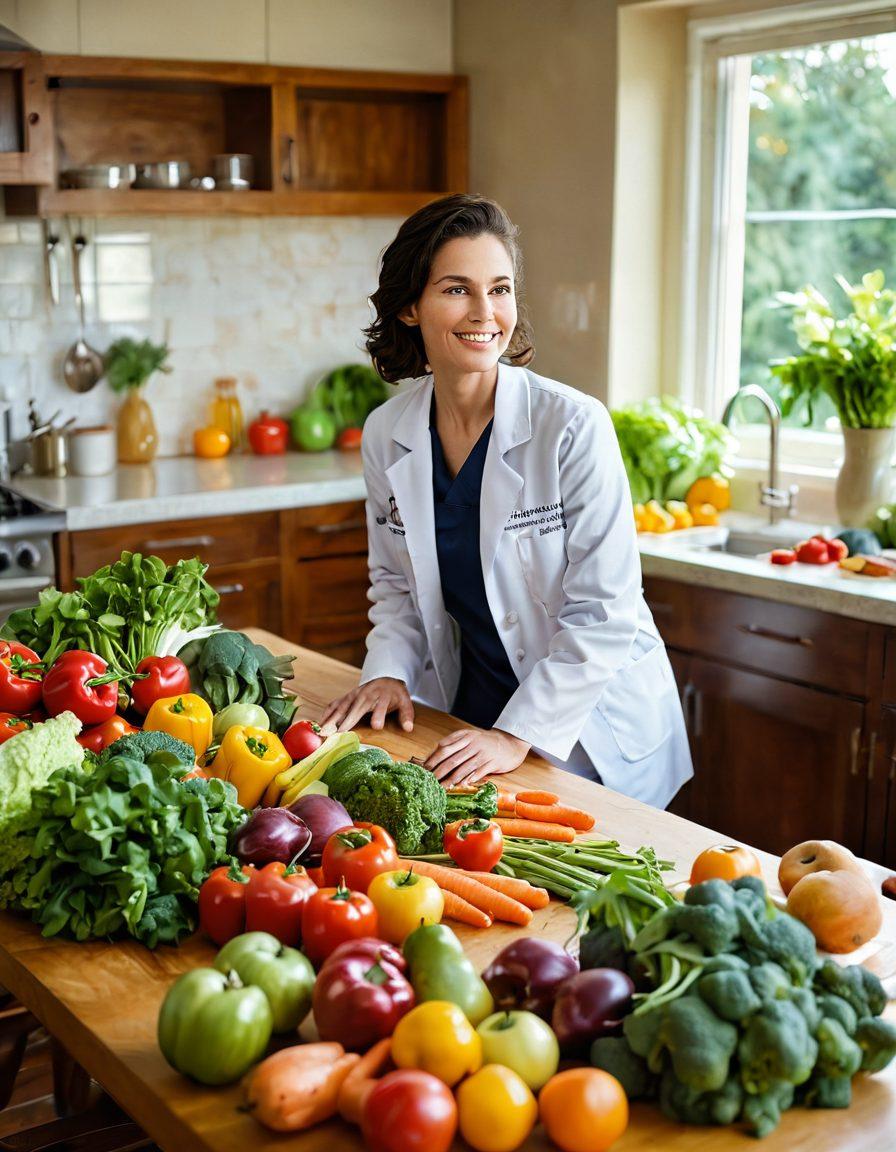
Imagine gathering around a table, brimming with colorful fruits and vegetables, discussing recipes that not only enchant the palate but bolster the body. This is where the magic happens. A community that fosters connections can creatively raise awareness about cancer’s influence on nutritional needs. Consider the dilemma of how certain foods can either act as a remedy or worsen the side effects of treatment. Establishing open conversations about dietary choices encourages patients to engage in their care actively and embrace self-care practices that encompass nutrition as a vital element of their therapy.
The road to recovery often feels long and arduous, but by prioritizing nutrition, we empower individuals to reclaim their health and sense of control. Communities can unite to support cancer patients, ensuring they understand the transformative effects of eating well—not just as a means of sustaining life but as a way to flourish post-cancer. Let us remind one another that this journey may be fraught with challenges, but with community support, informed choices, and compassionate nursing care, we can collectively nurture hope and resilience in the face of adversity. If you or someone you know is navigating this path, how can you begin to incorporate more nutritious options into daily life?
Empowering Patients: Advocacy and Resources for Quality Cancer Treatment
Navigating the intricate maze of cancer care can feel like wandering through a dense forest without a map. Each twist and turn represents another decision to make, another treatment to explore, and another source of information to sift through. For those recently diagnosed with carcinoma, it’s crucial to understand that cancer isn't just a medical challenge but a profound life event that can impact one’s quality of life in myriad ways. It’s here that patient advocacy, empowered community support, and access to quality healthcare resources play a pivotal role in guiding individuals toward the best decisions for their well-being.
Imagine walking side by side with someone who has confronted this challenge before—witnessing their bravery as they share their survivor story can transform the way you perceive your own journey. Organizations dedicated to cancer advocacy often provide these personal narratives that illuminate what it means to fight cancer, instilling hope and resilience. These survivor stories help to foster a sense of belonging and remind patients that they are never alone in their quest for wellness. With the strength of shared experiences, patients can form supportive relationships, which can be just as therapeutic as medical interventions like chemotherapy or radiation therapy.
The essence of effective cancer treatment lies in a holistic approach—prioritizing not only the medical therapies such as immunotherapy and palliative care but also addressing mental health, nutrition, and lifestyle changes. Engaging in health education empowers patients to make informed decisions regarding their symptoms, management strategies, and treatment options, including participation in clinical trials. When patients are equipped with knowledge about early detection and can navigate available remedies, they take an active role in their journey. This can significantly uplift their quality of life during and after oncological therapy.
Moreover, tapping into community support networks can amplify this empowerment. Groups that focus on stress management, peer support, and practical resources can create an enriched environment for healing. Through workshops or group sessions, individuals can learn about self-care strategies, including nutritional guidance that can bolster their treatment regimen, helping improve overall resilience against the effects of cancer. As the saying goes, 'it takes a village'—and in the journey of fighting cancer, that village could be your greatest asset.
Ultimately, the path to healing is a collaboration between patient advocacy and the resources available within the community. When people come together for the greater good—raising awareness, providing emotional support, or simply being there to listen—the impact is profound. So, whether you're navigating a recent diagnosis or finding your footing again as a long-term survivor, remember that there is a robust network waiting to lift you up, educate you, and empower your journey towards not just surviving, but thriving. After all, the fight against cancer is more than a medical battle; it's a transformative journey that redefines what it means to live well.